
Learn · Free Credit Education
Building Credit Together, the
Smart Way
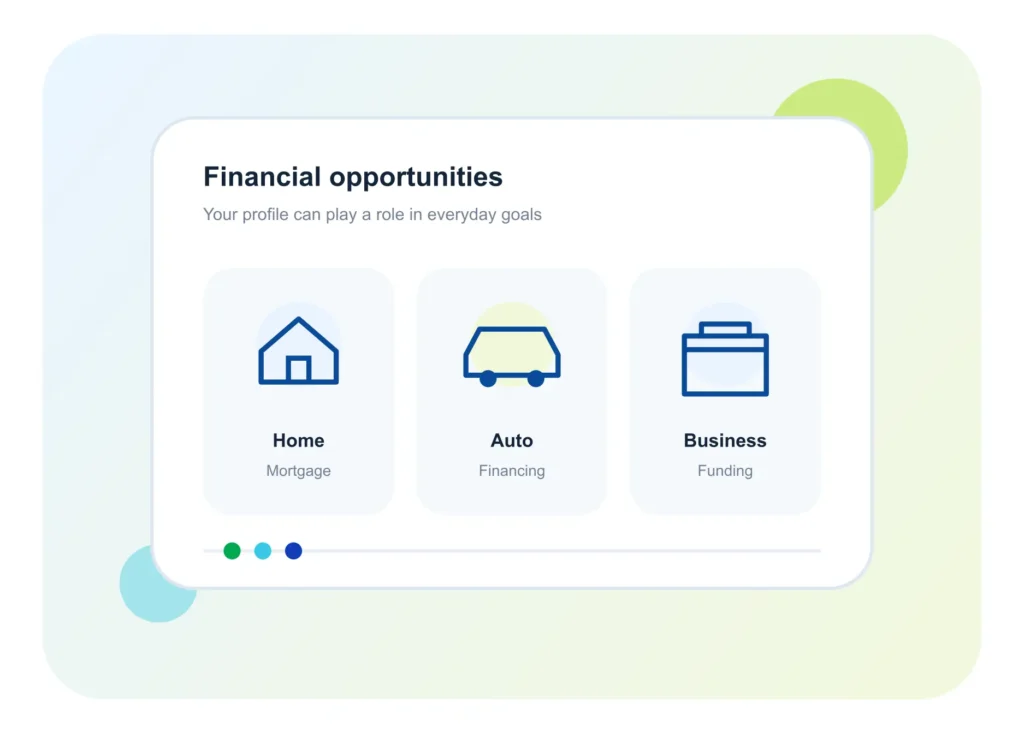
Better credit can open the door to better financial opportunities.
Whether you are rebuilding after setbacks, starting from scratch, or preparing for a future purchase, understanding how credit works helps you make smarter financial decisions and strengthen your credit profile over time.
Credit Education That Helps You Move Forward
At My Credit Results, our mission is to help clients understand how credit works while building stronger financial habits through strategic credit building techniques, responsible credit usage, and financial literacy.
Why Credit Matters
Good Credit Can Open More Doors
Good credit may help with the following:
Mortgage opportunities
Auto loan approvals
Credit card approvals
Apartment rentals
Certain employment opportunities
Lower interest rates
Better insurance rates
Future funding opportunities
Long term financial growth
Our Approach
Why Clients Choose My Credit Results?
- Credit education is our primary focus
- Personalized credit building strategies
- Access to trusted tradeline partnerships
- Real world financial education
- A long term approach to credit building
- Professional, trusted client support
Your Learning Path
What You Will Learn on This Page?
- What credit is, and how tradelines work
- How authorized users and secured cards can help
- How to build positive payment history and lower utilization
- How statement dates affect your score
- How credit card interest is actually calculated
- How to build, and protect, a strong credit profile
What Is Credit?
Credit is your financial reputation.
Lenders use your credit profile to judge how responsibly you manage borrowed money, including how you handle payments, credit cards, loans, and overall debt. The stronger that profile becomes, the more financial opportunities open up over time.
What Is a Tradeline?
A tradeline is simply any account that appears on your credit report. This includes credit cards, auto loans, mortgages, student loans, personal loans, and lines of credit. Every account on your report counts as a tradeline.
Credit Building Basics
Fast Track Your Credit With Positive Tradelines
In some situations, adding a positive authorized user tradeline may help strengthen certain parts of a client’s credit profile.
At My Credit Results, we work with trusted tradeline partners who can help qualifying clients add seasoned, positive accounts to their credit profile. This may help strengthen the following:
Credit utilization
Average account age
Overall profile strength and credit history depth
What Is an Authorized User Tradeline?
An authorized user tradeline is created when someone is added to an existing credit card account as an authorized user. If that account has an excellent payment history, low utilization, a high limit, and a long account age, that positive history may also appear on the authorized user’s own credit report, helping to strengthen it.
A Simple Tradeline Example
Suppose a client currently has limited credit history, high utilization, low limits, and few positive accounts.
Now imagine that client is added as an authorized user on a tradeline with ten years of positive payment history, a twenty thousand dollar limit, and low utilization. That positive account history may begin appearing on the client’s own credit report, potentially improving their utilization, average account age, and overall profile stability.
Important: results vary based on each client's unique credit profile. Tradelines do not guarantee approvals or specific score increases.
What Is an Authorized User?
An authorized user is someone added to another person’s credit card account. If that primary account has a strong payment history and low balances, the authorized user may benefit from that history appearing on their own report.
Important: only become an authorized user on accounts with a genuinely responsible payment history.
Start Building Credit With Secured Credit Cards
A secured credit card is one of the most effective ways to begin building or rebuilding credit. Your refundable deposit typically becomes your credit limit.
For example, a five hundred dollar deposit typically results in a five hundred dollar credit limit.
Used responsibly, a secured card helps establish positive payment history over time. Before applying, confirm the card reports to all three major bureaus: Experian, Equifax, and TransUnion.
Credit Score Fundamentals
Understanding Credit Utilization
Credit utilization, or how much of your available credit you are currently using, is one of the most important factors affecting your score.
How the Formula Works
The formula is simple: balance divided by credit limit equals your utilization percentage.
A Real World Example
Credit limit: ten thousand dollars. Balance: seven thousand five hundred dollars.
Seven thousand five hundred divided by ten thousand equals zero point seven five, or seventy five percent utilization.
Keep Utilization in Mind
High utilization can hurt your score. As a general rule, aim to stay below thirty percent, and below ten percent is even stronger.
Payment Timing
Statement Dates vs Due Dates
One of the most common mistakes consumers make is waiting until the due date to pay off their card. Most credit card companies report your balance as of the statement closing date, not the due date. This means you can pay on time and still have a high utilization reported to the bureaus.
A Smart Payment Example
Credit limit: ten thousand dollars. Balance: seven thousand five hundred dollars.
If the statement closes before you pay, the bureaus see seventy five percent utilization.
However, if you pay the balance down to five hundred dollars before the statement closes, your utilization drops to five percent instead. This is a meaningful improvement to your credit profile.
75%
5%
Reported Utilization Can Change With Timing
Illustrative example based on the figures in this guide.
Understand the Cost of Borrowing
Understanding Credit Card Interest
APR stands for Annual Percentage Rate, and most credit card companies calculate interest daily. Carrying a high balance over time can become expensive quickly if it is not managed carefully.
A Real World Example: $7,500 Balance at 24% APR
Here is how that balance grows in interest over time:
~$4.94
Daily interest
~$34.58
Weekly interest
~$148.20
Monthly interest
~$1,803.10
Annual interest
The daily rate is calculated by dividing twenty four percent by three hundred sixty five days, then applying that rate to the balance.
This example shows why carrying high balances over the long term can become very costly.
Everyday Habits
Golden Rules for Building Strong Credit
Always pay on time
Keep balances low, and pay down your balance before the statement date
Avoid maxing out your cards or applying too often
Keep old, positive accounts open
Monitor your credit regularly
Build strategically, and stay consistent
Review Your Credit Reports
You can review your credit reports at no cost from Experian, Equifax, and TransUnion through AnnualCreditReport.com.
Important Information
Credit building is a process. It takes consistency, patience, strategy, and responsible financial behavior over time.
Results vary from client to client based on several factors, including payment history, existing debt, credit utilization, collections, public records, and overall credit profile strength. No company can legally guarantee specific score increases or approvals.
A Long-Term Approach
Strong Credit Is Not Built Overnight
It is built through education, strategy, responsible financial behavior, and consistency over time.
At My Credit Results, our mission is to help clients understand how credit works while positioning them for stronger financial opportunities ahead. Whether you are rebuilding, starting over, or preparing for a future purchase, we are here to guide you every step of the way.
Ready to Start Your Credit Journey?
Begin your enrollment today: